
-
- No Comments
- Plastic Molding Company

Innovation Meets Efficiency
The plastics manufacturing industry is evolving faster than ever. Between rising material costs, tighter environmental regulations, and increasing customer demand for precision and sustainability, manufacturers are being pushed to rethink how they operate. Traditional production methods no longer deliver the efficiency or flexibility required to stay competitive. The good news is that smarter, data-driven solutions are reshaping what’s possible — helping manufacturers overcome challenges while improving quality, consistency, and profitability across the board. A reliable Plastic Molding company understands that overcoming production challenges starts with precision engineering and consistent quality control.
One of the biggest hurdles facing plastics producers today is resource optimization. Every gram of wasted resin, every minute of downtime, and every production error translates into lost profit and environmental impact. Smart manufacturing technologies — from real-time process monitoring to automated quality control — are helping plants minimize that waste and fine-tune efficiency. With advanced sensors and AI-powered systems, manufacturers can detect problems before they happen, adjust temperature or pressure instantly, and ensure each part meets exact specifications. The result is less scrap, reduced rework, and smoother production cycles that keep operations running at peak performance.
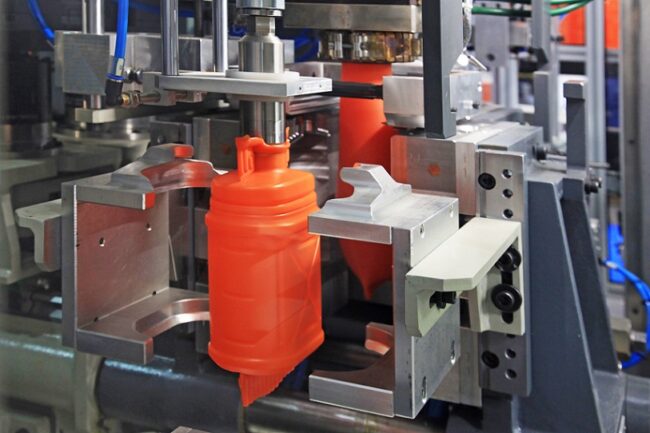
Another pressing challenge is sustainability. As public concern about plastic waste grows, manufacturers are being asked to do more than just produce — they’re being asked to innovate responsibly. Smarter solutions, like energy-efficient machinery, closed-loop recycling systems, and advanced materials with lower carbon footprints, are turning sustainability into a strategic advantage. By leveraging automation and data analytics, companies can track material flow, measure energy use, and reduce emissions without compromising output. It’s no longer about choosing between performance and planet — modern plastics technology allows for both.
Labor shortages and skill gaps have also pushed manufacturers to embrace smarter systems. Automated processes, intuitive interfaces, and machine learning tools are filling the gaps where experienced technicians once stood. These technologies don’t replace people — they empower them. Operators can now oversee multiple machines, make data-informed decisions, and focus on problem-solving instead of repetitive tasks. It’s a shift toward smarter work, not harder work, creating safer and more fulfilling roles within the industry.
In an era defined by rapid change, plastics manufacturers that adapt intelligently are the ones leading the pack. Smarter solutions don’t just solve problems — they prevent them, turning complexity into opportunity. From optimizing production lines to championing sustainability, technology is giving manufacturers the power to innovate with precision and confidence. The challenges may be modern, but so are the solutions — and they’re shaping a future where efficiency, quality, and responsibility all go hand in hand.


